

Streameast Sports Streaming: Viewing Explained
blog, Live Sports Coverage Streameast Sports StreamingSports fans no longer watch games the same way they did a decade ago. Instead of waiting for scheduled broadcasts, many now turn to live sports streaming to follow matches as they happen. This shift explains why searches for Streameast Sports Streaming continue to rise around major sporting events.
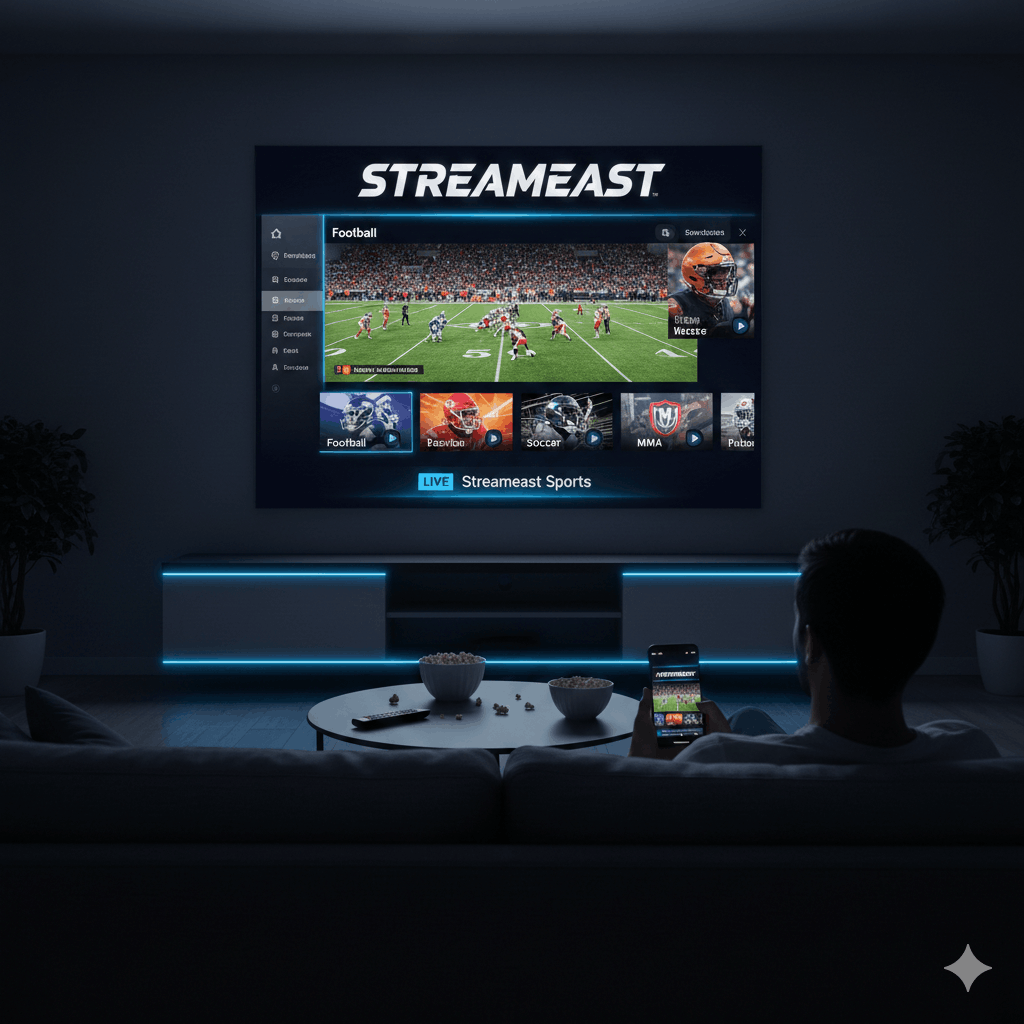
For most viewers, streaming is not about technology. It is about timing, access, and the feeling of being present while a game unfolds. Understanding how viewing works helps explain why fans accept certain trade-offs and why online sports streams feel different from traditional television.
What Sports Fans Mean by Streaming a Live Game
When fans talk about streaming, they are describing a way of watching sports in real time through an online source. Streaming implies immediacy. The game is happening now, and the viewer wants to see it now.
This meaning applies whether the fan searches for streameast live, streameast sports, or streameast streaming. The words change, but the expectation remains the same: live action without delay caused by schedules or location.
Streaming differs from recorded viewing because there is no second chance. Missed moments cannot be replayed in the same emotional way.
How Streameast Sports Streaming Is Experienced by Viewers
From a viewer’s perspective, streameast sports streaming begins the moment a live match appears on screen. Fans often arrive shortly before kickoff or during early moments of play. The stream becomes the primary focus, not the website itself.
Unlike traditional broadcasts, the experience feels direct. There is little separation between the viewer and the game. Commentary, visuals, and crowd noise flow together without the structure of studio segments.
This directness shapes how fans judge the experience.
Streameast Live Sports Versus Traditional TV Viewing
Traditional television viewing follows fixed schedules and channel lineups. Streameast live sports viewing removes those boundaries. Fans choose what to watch based on interest rather than programming blocks.
Streaming allows:
- flexible start times
- movement between devices
- switching between games
For many viewers, this flexibility outweighs the polish of television broadcasts.
What Happens During a Live Sports Stream
Arrival and Early Moments
Most viewers join streams as games begin. Some arrive late and immediately search for live matches already in progress. The first few moments matter because they set expectations.
If playback begins smoothly, viewers settle in quickly.
Mid-Game Viewing
As games unfold, attention shifts between the action and surrounding context. Fans watch plays, check scores, and follow momentum changes. Streaming keeps the focus on the game itself rather than on presentation.
Final Minutes and Endgame
During close games, live streaming feels intense. Small delays become noticeable. Fans often refresh or switch streams if playback falters during decisive moments.
The ending shapes overall satisfaction more than earlier portions of the game.
Real-Time Sports Streaming and Delay Expectations
All online sports streams carry some delay compared to in-person viewing. Fans understand this and adjust expectations accordingly. What matters is consistency rather than perfection.
Real-time sports streaming still feels live because reactions happen as plays occur. Fans celebrate, react, and discuss events as they unfold.
Small delays become acceptable once viewers adapt.
Mobile Sports Streaming Versus Desktop Viewing
Mobile Viewing Habits
Mobile streaming dominates daytime and weekday viewing. Fans watch during breaks, travel, or while multitasking. Smaller screens change how viewers engage.
Mobile viewers focus on:
- score changes
- key plays
- short viewing sessions
Desktop Viewing Patterns
Desktop streaming becomes common during evenings and weekends. Larger screens allow longer viewing sessions and easier switching between games.
Desktop viewers often follow multiple sports at once, keeping streams open while tracking statistics or commentary elsewhere.
Why Fans Switch Between Streams While Watching
Switching streams is common behavior. Fans move between streams for several reasons:
- interruptions
- curiosity about other games
- desire to catch important moments elsewhere
This behavior explains why streameast mirror, streameast links, and streameast alternatives appear in search patterns. Viewers are not abandoning streams; they are adapting to live conditions.
Streameast Sports Online and Viewing Flexibility
Online sports viewing removes location limits. Fans can watch games from anywhere with a screen. Streameast sports online searches reflect this freedom.
Viewers value the ability to:
- watch on different devices
- follow games while traveling
- stay connected without setup
Flexibility defines the experience more than format.
Streameast TV Versus Online Sports TV
The term streameast tv often appears in searches because fans associate sports viewing with television. Online sports tv, however, behaves differently.
Instead of channels, viewers see events. Instead of schedules, they see live matches. This shift changes how fans browse and select games.
Streameast HD and Viewing Quality Perception
HD sports streaming matters, but it is not the top priority. Fans prefer steady playback over sharp resolution. During fast-moving games, motion and continuity matter more than clarity.
Viewers often accept lower resolution if the stream remains stable during critical moments.
Watching Different Sports Through Live Streaming
NFL Live Stream Viewing
NFL live stream viewing follows weekly rhythms. Fans tune in during specific windows, often gathering for marquee games. Streaming heightens focus because games are limited in number.
Each play carries weight, making continuity essential.
NBA Live Stream Experience
NBA live stream viewing feels constant. Games occur almost daily, and fans dip in and out. Streaming suits basketball’s pace, allowing fans to follow multiple matchups.
MLB Live Stream Rhythm
MLB live stream viewing feels relaxed. Long games allow casual viewing. Fans may watch while multitasking, checking in during key innings.
NHL Live Stream Flow
NHL live stream viewing feels fast. Continuous action keeps fans engaged. Streaming works well because there are few natural breaks.
Soccer and Football Live Streaming
Soccer live streaming emphasizes flow. Matches run continuously, making stable streaming critical. Fans often watch full halves without interruption.
Why Streaming Appeals During Major Sports Events
Playoffs, finals, and rivalry games increase urgency. Fans search watch live games online because missing moments feels costly.
Streaming becomes the fastest way to access live action during high-pressure events.
Sports Streaming Sites and Viewer Behavior
Sports streaming sites attract fans who value immediacy. Viewers rarely browse aimlessly. They search, click, watch, and react.
This behavior explains why live sports streaming searches cluster tightly around game times.
Online Sports Streams and Viewer Attention
Online streams compete for attention. Fans stay only if playback holds. Disruptions lead to quick switching rather than patience.
This environment shapes how viewers judge streaming experiences.
Free Sports Streaming and Viewer Expectations
Free sports streaming carries a distinct mindset. Viewers approach it with flexible expectations shaped by urgency rather than perfection. When fans search for streameast free streams or sports live stream free, they are focused on presence. The game matters more than presentation.
Viewers understand that free access may involve trade-offs. What keeps them watching is continuity. As long as the match stays visible during key moments, satisfaction remains high.
This behavior explains why free live sports sites continue to draw traffic during major events. Fans prioritize access over refinement.
Streameast Alternatives and Mirror Viewing Behavior
Live sports rarely unfold smoothly for every viewer. When streams pause or disappear, fans adapt quickly. This adaptation explains searches for streameast alternatives and streameast mirror.
Switching does not reflect dissatisfaction. It reflects urgency. Fans want to stay connected to the match without delay. They move fluidly between options, guided by timing rather than preference.
This behavior is common during playoff nights, title fights, and rivalry matches.
Streameast Links and Real-Time Navigation
Streameast links appear in search patterns because fans often join streams mid-game. They are not browsing. They are searching with intent.
Live sports create pressure. Viewers want immediate entry, not exploration. Links become pathways rather than destinations. Once playback resumes, attention returns fully to the game.
Streameast Sports Platform Perception
Some fans think in terms of platforms. Others think in terms of events. Streameast sports platform searches reflect curiosity about structure rather than function.
In practice, viewers experience sports streaming as a sequence of live moments. They remember games, not platforms. The platform fades into the background once viewing begins.
This distinction explains why loyalty remains tied to leagues instead of websites.
Streameast Sports Website and First Impressions
First impressions matter briefly. Viewers arrive, assess whether a live match is present, and decide within seconds. If the game appears quickly, the site becomes invisible.
If it does not, viewers leave without hesitation. This behavior explains why design complexity matters less than visibility during live windows.
Viewing Combat Sports Through Live Streaming
UFC Live Stream Experience
UFC live stream viewing centers on anticipation. Fans arrive early, watch prelims, and stay through main events. The experience builds gradually, making stable playback important over long sessions.
Crowd reactions and commentary heighten tension. Streaming works well because viewers focus on moments rather than continuous play.
Boxing Live Stream Viewing
Boxing live stream viewing feels different. Fans often arrive late, especially for title fights. Attention centers on a few rounds rather than the entire card.
Streaming suits this pattern because viewers can join at decisive moments without context loss.
Tennis Live Stream and Match Flow
Tennis live stream viewing rewards patience. Matches can extend unexpectedly. Fans watch in segments, often switching between courts or matches.
Streaming supports this behavior by allowing quick entry and exit without commitment to full broadcasts.
Formula 1 Live Stream and Event Structure
Formula 1 live stream viewing differs from team sports. Fans tune in for specific sessions, especially race starts. Once the race settles, some viewers check in periodically rather than watching continuously.
Streaming supports this flexible engagement, especially for fans following standings rather than every lap.
How Streaming Changes Fan Attention
Streaming alters how fans focus. Instead of sitting through full broadcasts, viewers concentrate on moments. Goals, touchdowns, knockouts, and finishes hold attention.
This shift explains why viewers tolerate brief interruptions. The value lies in being present for decisive action.
Sports Broadcast Online Versus Event-Centered Viewing
Online sports broadcasts feel less formal. Fans do not expect studio segments or extended commentary. They expect game flow.
Sports broadcast online searches reflect this desire for uninterrupted action rather than packaged presentation.
Live Sports Channels Online and Viewer Choice
Traditional channels guide viewers. Online sports channels invert that relationship. Viewers choose events first and ignore channel identity.
This change empowers fans. They decide what matters and when to watch.
Streameast Online Viewing Across Devices
Online viewing allows fans to move between contexts. A match may begin on a phone, continue on a desktop, and end on a television screen.
Streameast online searches reflect this fluidity. Viewing adapts to daily routines rather than controlling them.
How Fans Judge Streaming Quality Over Time
Quality judgments evolve. Early moments matter, but decisive moments matter more. A stream that performs well during final minutes earns trust even if earlier moments struggled.
Fans remember outcomes, not interruptions.
Viewer Patience and Live Sports Streaming
Patience increases during high-stakes games. Fans wait longer, refresh more often, and tolerate issues if the match remains accessible.
During low-stakes games, patience drops. Fans leave quickly if interest fades.
This pattern explains why streaming performance feels more critical during playoffs and finals.
Why Streaming Feels More Personal Than TV
Streaming feels personal because viewers choose the moment. There is no schedule pressure or channel limitation. Fans feel in control.
This sense of control strengthens engagement even when quality varies.
Common Questions Fans Ask About Sports Streaming
How This Page Fits Into the Streameast Content Series
This article explains what viewing feels like. Other pages explain:
- which leagues appear
- what fans search for
- how first-time users interpret the experience
Together, they form a complete understanding of Streameast-related behavior.
Final Perspective on Streameast Sports Streaming
Streameast sports streaming reflects how fans watch sports today. Viewing is immediate, flexible, and moment-driven. Fans adapt quickly, move freely, and prioritize being present over perfection.
Streaming succeeds because it aligns with how sports feel in real time. When access meets timing, the experience works.