
The term “east stream“ is used in environmental and hydrological contexts to describe natural watercourses that flow eastward or form part of an east-oriented river system. Unlike casual geographic references, east stream carries scientific meaning related to drainage direction, watershed formation, sediment movement, and ecological structure.
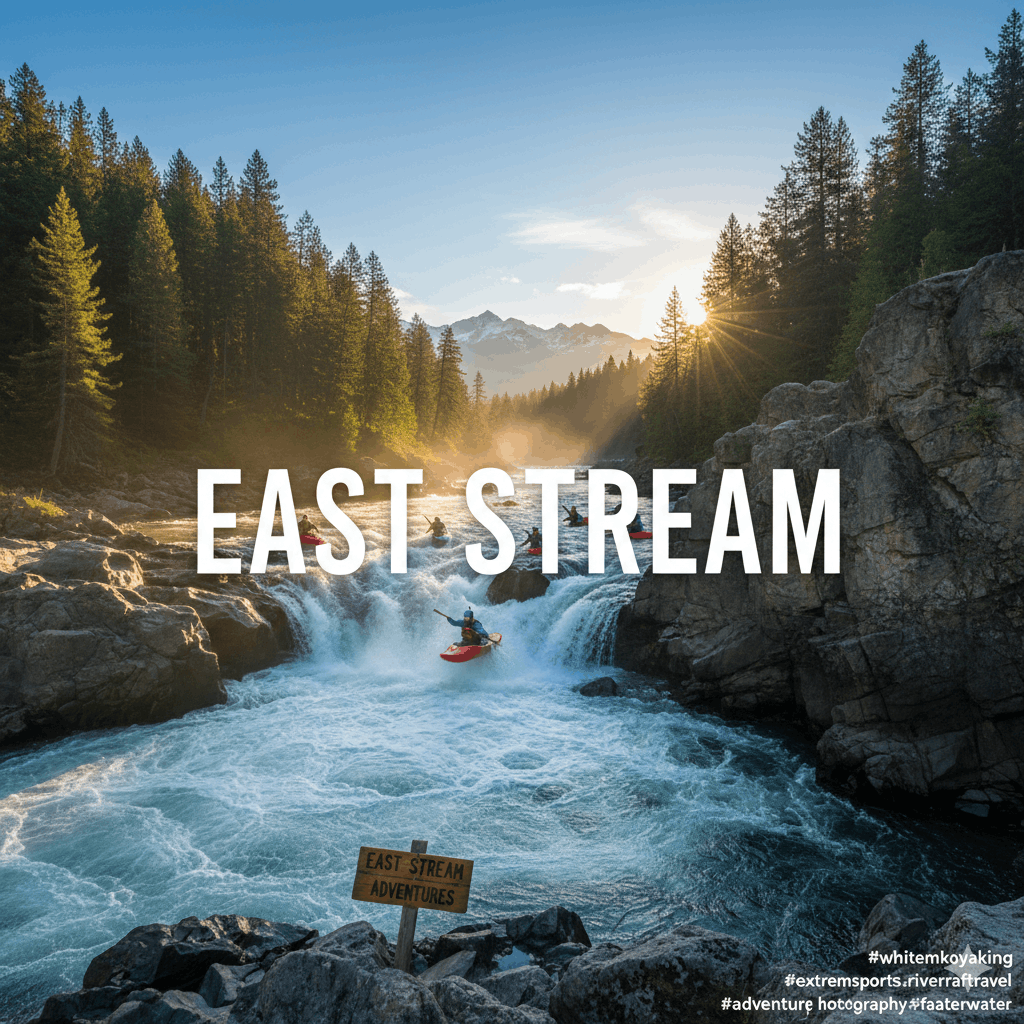
In hydrology, stream orientation affects water velocity, erosion patterns, biodiversity, and seasonal flow behavior. East-flowing streams often develop under specific geological and climatic conditions, shaping landscapes and ecosystems over long periods of time.
This article explores east stream systems from their physical origins to their environmental significance, covering river structure, basin dynamics, ecology, and conservation.
Defining an East Stream in Hydrological Terms
An east stream river is not defined by name alone but by flow direction and drainage alignment. Water movement toward the east typically follows regional elevation gradients, tectonic structure, and long-term erosion patterns.
An east flowing stream may function as:
- a primary river
- a tributary feeding a larger system
- a branch stream within a watershed network
These streams interact with terrain differently than north- or south-flowing systems, especially in regions shaped by glacial retreat or sedimentary layering.
East Stream River Systems and Channel Formation
An east stream river system consists of interconnected channels that guide water from higher elevations toward lower eastern basins. These systems include:
- main channels
- east stream creeks
- east branch streams
- secondary tributaries
The east stream channel forms through continuous water movement, sediment transport, and bank interaction. Channel width and depth vary depending on flow rate, substrate type, and seasonal input.
Over time, channels adjust naturally to balance erosion and deposition, shaping floodplains and riparian zones.
Hydrology of East Stream Water Flow
East stream hydrology focuses on how water moves through the system and how volume changes across seasons.
Key factors influencing east stream water flow include:
- precipitation patterns
- snowmelt contribution
- groundwater interaction
- basin slope
The east stream flow rate changes throughout the year. During wet seasons, flow increases, expanding channels and floodplains. During dry periods, flow narrows, exposing sediment beds and altering aquatic habitat.
Basin Structure and Watershed Organization
An east stream basin represents the land area that collects precipitation and directs it into the stream network. The east stream watershed includes:
- upland recharge zones
- surface runoff pathways
- tributary connections
Within the watershed, east stream drainage determines how efficiently water moves through soil, rock, and surface channels. Poor drainage can increase flood risk, while balanced drainage supports ecological stability.
East stream tributaries play a critical role by regulating flow distribution and reducing pressure on the main channel during heavy rainfall.
Source, Mouth, and Stream Geography
Every east stream has a source, often located at higher elevation where groundwater emerges or snowmelt begins. The east stream source sets the initial flow conditions and influences water temperature and mineral content.
As the stream travels downstream, it eventually reaches the east stream mouth, where it joins a larger river, lake, or coastal system. The mouth is a zone of sediment exchange and biological transition.
Understanding east stream location and mapping its course helps researchers assess flood risk, land use impact, and habitat connectivity.
Mapping and Spatial Analysis
An east stream map provides spatial context for hydrological and environmental study. Mapping reveals:
- channel alignment
- tributary density
- floodplain extent
- watershed boundaries
Accurate mapping supports water management, conservation planning, and environmental monitoring.
Floodplains, Sediment, and Erosion Processes
An east stream floodplain forms when water periodically spreads beyond the channel during high flow. Floodplains absorb excess energy, reduce downstream erosion, and deposit nutrient-rich sediment.
East stream sediment originates from upstream erosion and channel banks. While sediment is a natural part of stream systems, excessive erosion can damage habitats and reduce water quality.
East stream erosion increases when vegetation is removed or flow becomes artificially constrained, altering natural balance.
Water Quality and Freshwater Characteristics
East stream water quality depends on natural filtration, upstream land use, and biological activity. Healthy east streams supply clean freshwater for ecosystems and human use.
Monitoring focuses on:
- temperature stability
- sediment concentration
- dissolved oxygen
- nutrient levels
East stream freshwater systems support diverse aquatic life when conditions remain balanced.
Ecology, Biodiversity, and Riparian Zones
East stream ecology describes the interaction between water, organisms, and surrounding land. Streams support fish, amphibians, invertebrates, and plant species adapted to flowing water.
East stream biodiversity thrives in systems with intact riparian zones. These vegetated buffers stabilize banks, filter runoff, and provide habitat.
Loss of riparian vegetation often leads to increased erosion and reduced species diversity.
Environmental Impact and Human Interaction
Human activity influences east stream environmental impact through land development, agriculture, and water diversion. Altered flow regimes can disrupt sediment balance and aquatic life.
East stream conservation focuses on protecting natural flow patterns, restoring vegetation, and limiting pollution sources.
Monitoring and Seasonal Flow Patterns
East stream monitoring tracks long-term changes in flow, quality, and ecosystem health. Data collection helps identify trends related to climate variability.
East stream seasonal flow responds to rainfall cycles and temperature shifts. Seasonal patterns shape breeding cycles, sediment transport, and flood behavior.
Climate Influence on East Stream Systems
Climate plays a defining role in how an east stream behaves over time. Temperature, precipitation patterns, and seasonal variability directly influence flow volume, sediment movement, and ecological balance. In regions where rainfall is evenly distributed, east stream water flow tends to remain stable across seasons. In contrast, areas with pronounced wet and dry cycles experience sharper fluctuations.
Snowmelt contributes significantly to east stream seasonal flow in higher elevations. When melting occurs gradually, streams absorb the input without destabilizing the channel. Rapid melt, however, increases erosion risk and sediment displacement, reshaping banks and floodplains. These changes alter habitat structure and affect organisms adapted to specific flow conditions.
Long-term climate shifts also influence stream temperature. Even small increases can reduce dissolved oxygen levels, placing stress on freshwater species. This makes east stream monitoring essential for detecting subtle but impactful environmental changes.
East Stream Drainage Patterns and Groundwater Interaction
Drainage patterns determine how efficiently water moves through the landscape before entering the stream channel. An east stream drainage network often integrates surface runoff with groundwater recharge zones. Soil composition and rock permeability affect how much water infiltrates the ground versus flowing directly into the stream.
Groundwater-fed sections of an east stream tend to maintain cooler, more stable temperatures throughout the year. These areas act as refuges for aquatic species during dry periods. When groundwater contribution decreases due to land use changes or extraction, flow consistency suffers, leading to fragmented habitats.
Understanding drainage behavior helps explain why some east stream creeks remain perennial while others become intermittent.
East Stream Tributaries and Network Stability
Tributaries are essential to the resilience of an east stream river system. Smaller east stream tributaries distribute water input across the watershed, reducing stress on the main channel during heavy rainfall. They also transport organic material and nutrients that support downstream ecosystems.
An east branch stream often drains a specific sub-area of the basin, reflecting local geology and vegetation. When tributaries are altered or disconnected, the entire system becomes more vulnerable to flooding and erosion.
Maintaining tributary connectivity supports long-term hydrological balance and ecological diversity.
Channel Morphology and Stream Adjustment
East stream channels are not static. They adjust continuously in response to flow changes, sediment load, and vegetation cover. Channel shape influences velocity, which in turn affects erosion and deposition patterns.
Straightened channels often accelerate water movement, increasing downstream erosion. Naturally meandering channels dissipate energy, allowing sediment to settle gradually. This balance supports floodplain development and stabilizes banks.
Human modification of channel form disrupts this equilibrium, often leading to unintended consequences such as bank collapse or habitat loss.
East Stream Floodplain Function and Soil Interaction
Floodplains serve as natural buffers during periods of high flow. An east stream floodplain absorbs excess water, reducing flood peaks downstream. These areas also trap sediment, improving soil fertility and supporting plant growth.
Floodplain soils retain moisture longer than upland areas, creating unique ecological niches. When floodplains are disconnected through development or levee construction, streams lose this buffering capacity, increasing erosion and flood severity.
Protecting floodplains is a core component of east stream conservation strategies.
Sediment Transport and Stream Health
Sediment movement is a natural process within east stream systems. Balanced sediment transport maintains channel structure and supports aquatic habitats. Problems arise when sediment levels increase beyond natural thresholds.
Excessive east stream sediment often originates from upstream land disturbance, including deforestation or construction. Fine sediment clouds water, reducing light penetration and smothering spawning grounds.
Monitoring sediment levels helps identify upstream impacts and guides restoration efforts.
Water Quality Dynamics in East Stream Systems
East stream water quality reflects both natural processes and human influence. Healthy systems filter pollutants through vegetation and soil before water reaches the channel. When this filtration capacity is reduced, contaminants enter the stream more easily.
Nutrient runoff alters biological activity, sometimes leading to excessive plant growth and oxygen depletion. Stable water quality supports diverse freshwater communities and maintains ecological balance.
Regular testing and observation remain central to east stream monitoring programs.
East Stream Ecology and Habitat Diversity
Ecological communities within east stream environments depend on flow stability, temperature consistency, and habitat complexity. Riffles, pools, and shaded banks create varied conditions that support different species.
East stream ecology also depends on seasonal cues. Many aquatic organisms rely on predictable flow changes for reproduction. Disrupted timing affects breeding success and population stability.
Protecting physical habitat diversity supports long-term biodiversity.
Riparian Zones and Their Protective Role
The east stream riparian zone forms the transition between land and water. Vegetation in this zone anchors soil, filters runoff, and moderates temperature through shading. These functions protect water quality and reduce erosion.
Loss of riparian vegetation often leads to increased bank instability and sediment input. Restoration of riparian corridors improves both hydrological and ecological outcomes.
Healthy riparian zones are among the most effective natural tools for stream protection.
Biodiversity Within East Stream Environments
East stream biodiversity includes aquatic insects, fish, amphibians, birds, and plant species adapted to flowing water conditions. Diversity depends on habitat continuity and water quality.
Fragmentation reduces genetic exchange and limits species movement. Conservation efforts aim to preserve connectivity along the stream corridor and across the watershed.
High biodiversity increases resilience, allowing ecosystems to adapt to environmental change.
Environmental Impact and Land Use Pressure
Human land use shapes east stream environmental impact in measurable ways. Urban expansion increases surface runoff, accelerating flow and erosion. Agricultural activity can alter nutrient balance and sediment load.
Managing land use within the east stream basin reduces cumulative stress on the system. Buffer zones, controlled development, and sustainable practices help preserve stream integrity.
Environmental impact assessments guide planning decisions to minimize long-term damage.
Conservation and Restoration Approaches
East stream conservation focuses on maintaining natural processes rather than imposing rigid control. Restoration projects often aim to reestablish meanders, reconnect floodplains, and replant riparian vegetation.
Monitoring outcomes over time ensures that interventions support rather than disrupt natural adjustment. Successful conservation balances ecological function with human needs.
Long-term protection requires coordinated management across the watershed.
Long-Term Monitoring and Data Collection
Consistent east stream monitoring provides insight into trends that are not visible in short-term observation. Flow records, water quality measurements, and biological surveys reveal gradual changes.
Data supports informed decision-making and early detection of emerging issues. Monitoring programs also contribute to broader understanding of freshwater systems under changing climatic conditions.
Advanced Research and Modeling Applications
Hydrologists and ecologists use east stream data to model flood behavior, sediment transport, and habitat response. Models help predict how streams respond to environmental pressure and guide adaptive management.
These tools improve planning accuracy and reduce uncertainty in restoration efforts.

Frequently Asked Questions
Closing Perspective
East stream systems represent complex natural networks shaped by geography, water movement, and ecological interaction. Their structure influences landscapes, habitats, and freshwater availability.
East stream systems function as interconnected networks shaped by water movement, terrain, and living organisms. Their stability depends on balanced flow, intact habitats, and responsible land use.
Understanding these systems supports informed conservation and sustainable interaction with freshwater resources.