

Stream East Sports: What Viewers Typically Search For
blog, Live Sports Streaming Stream East SportsSearch behavior around Stream East Sports follows a clear pattern. Viewers are rarely browsing casually. Most searches happen close to kickoff, during live events, or after a stream fails. The phrase itself has become shorthand for immediate access to live sports across football, soccer, cricket, and other major competitions.
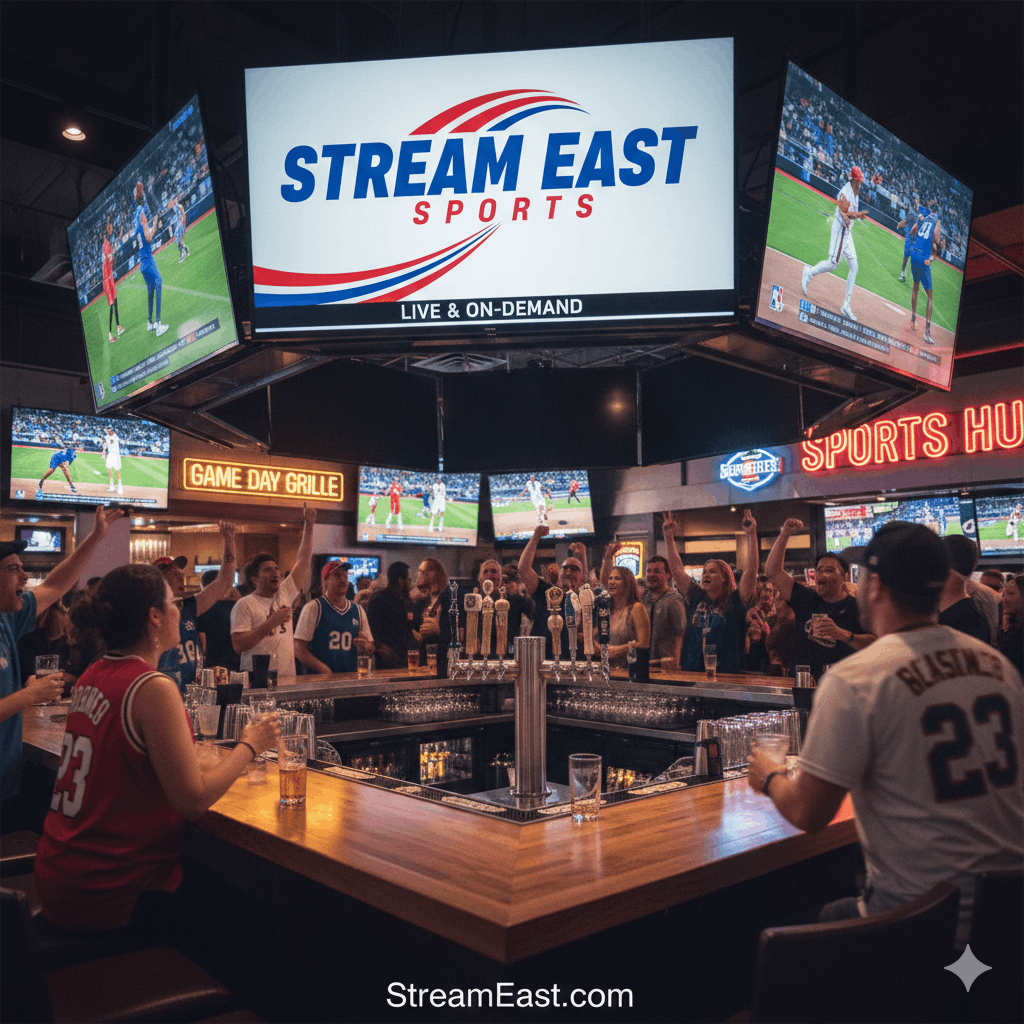
Unlike official platforms, Stream East Sports is not a single service or broadcaster. It represents a group of sites, mirror pages, and streaming layouts that appear when fans search for live games without subscriptions. Understanding what users typically look for helps explain why the term continues to surface across search engines during peak sports hours.
What Viewers Mean When They Search Stream East Sports
When users type Stream East Sports into a search bar, they are not researching technology or reading background material. They are usually trying to reach a live stream quickly. The phrase functions as a shortcut rather than a brand.
For many sports fans, the term signals:
- live access
- ongoing matches
- minimal setup
- immediate playback
Search intent varies by region and sport, but urgency remains constant. Viewers want the game, not explanations.
Why Searches Spike Around Live Games
Time-Driven Behavior
Search data shows that most Stream East Sports queries appear shortly before or during live events. Fans often search again when a stream buffers, reloads, or disappears.
Late searches increase when:
- kickoff times change
- matches overlap
- streams drop mid-game
This behavior explains why the same user may search multiple times within one match window.
Device-Based Urgency
Mobile devices dominate searches during weekday matches, while desktops see heavier traffic on weekends. This reflects viewing habits rather than preference. Fans search wherever they are when the game starts.
Sports Viewers Commonly Look For
Football and Soccer Matches
Football remains the most searched sport connected to Stream East Sports. Domestic leagues, international tournaments, and club competitions all drive demand. Soccer searches surge during evening hours in Europe and late nights in other regions.
Many fans search for specific matches rather than full schedules. This leads to short, repeated searches tied to kickoff times.
American Sports Coverage
NFL games generate strong spikes, especially early in the season and during playoffs. MLB searches rise steadily during long seasons and peak again in postseason weeks.
Viewers often include broadcast names in searches, such as ESPN or Fox Sports, even when using free sites. This reflects familiarity with televised coverage rather than actual access to those networks.
Cricket and International Events
Cricket searches grow rapidly during major tournaments and regional series. Fans from different countries often search simultaneously, which creates heavy server pressure and more mirror site rotation.
Why Search Results Show Many Stream East Sports Sites
Mirror Site Rotation
Mirror sites exist to distribute traffic and avoid single points of failure. When one site slows or disappears, another version appears under a new address with similar content and layout.
From a viewer’s perspective, this looks chaotic. From a technical angle, it is traffic management.
Network Load and Availability
Large matches attract thousands of users at once. Free streaming pages lack the infrastructure of licensed platforms, so mirrors spread users across multiple servers.
What Viewers Expect After Clicking a Result
Interface Expectations
Most viewers expect a simple interface with a visible player and minimal steps before playback. A minimalist layout reduces confusion during live games.
When pages load slowly or hide streams behind ads, users return to search results immediately.
Stream Availability
Viewers expect the stream to match the game title they searched. Mismatched streams or delayed feeds trigger frustration and repeat searches.
Ads, Pop-Ups, and Viewing Experience
Free sports streaming sites rely heavily on advertising. Ads may appear before playback, during pauses, or as overlays. Intrusive ads often interrupt streams or redirect users to new pages.
This behavior explains why ad blockers are frequently discussed among sports fans searching for Stream East Sports content.
Security Concerns Behind These Searches
Malware and Browser Issues
Some streaming pages carry scripts that attempt to modify browser settings or install unwanted software. Sudden changes to default search engines are a common complaint among users.
Malicious software risks increase when users click aggressive ads or download unfamiliar software linked to streams.
Unauthorized Apps and Software
Viewers sometimes encounter prompts suggesting external players or apps. These unauthorized apps pose additional risks, especially on mobile devices.
VPN-Related Searches and Access Limitations
Why VPNs Appear in Searches
Users often search for VPNs after encountering access blocks or unavailable streams. Country-based restrictions push fans to explore VPN services with large server networks.
Features like kill switch and leak protection are commonly mentioned in discussions, reflecting privacy concerns rather than technical expertise.
Regional Differences
Access varies widely by country. Some regions face frequent stream interruptions, while others experience smoother playback depending on network routing and server proximity.
Searches for Streameast Alternatives
Why Users Look Elsewhere
Many viewers search for alternatives after poor experiences with buffering, ads, or broken streams. Terms like free options, premium sites, and legal platforms appear frequently after failed viewing attempts.
Free Versus Paid Choices
Free streaming services attract users through accessibility, while premium platforms offer stability and official coverage. Free trials often bridge this gap for new subscribers testing legal platforms.
How News and Commentary Shape Searches
Streaming discussions appear regularly in cord cutter news and online forums. Analysts and commentators, including voices such as Wisdom Sablah and Kate Hawkins, often discuss access trends, viewer habits, and enforcement activity.
These conversations influence search behavior, especially during high-profile shutdowns or enforcement announcements.
What These Search Patterns Reveal
Stream East Sports searches reveal a gap between demand and access. Fans want live sports without friction, while official platforms remain fragmented by region, rights, and pricing.
Free sites fill that gap temporarily, but reliability issues push users back into search cycles.
How Viewer Searches Change During a Single Match
Search behavior around Stream East Sports does not stay static throughout a game. It evolves minute by minute, often reflecting frustration rather than curiosity. Early searches tend to be simple and direct, focused on finding a working stream. As matches progress, searches become more specific, shaped by problems users encounter along the way.
During the opening minutes, users usually search once and expect the stream to hold. When playback stutters, audio desynchronizes, or ads interrupt action, viewers return to search engines immediately. This pattern repeats until the match ends or a stable stream appears.
This explains why search volume does not drop after kickoff. It often rises during the first half of major games.
Why Viewers Add Extra Words to Their Searches
As sessions continue, users refine searches with additional terms. These refinements reflect real-time issues rather than planning.
Common motivations include:
- finding a replacement stream
- avoiding intrusive ads
- switching to another site
- checking if a stream is delayed
Words like “working,” “alternative,” or “live now” often appear mid-game. This behavior highlights the lack of consistency across free streaming sites.
The Role of Interface Design in Repeat Searches
Visual Clarity Matters
Users expect a visible video player without distractions. When pages bury streams under banners or pop-ups, viewers leave within seconds. A cluttered interface almost guarantees a return to search results.
Minimalist layouts reduce bounce rates during live events. This is why many Stream East Sports mirror sites reuse similar page designs. Familiar layouts shorten decision time for stressed viewers.
Playback Control Expectations
Viewers expect basic playback controls to respond instantly. When volume controls lag or full-screen modes fail, users often abandon the page even if the stream itself is active.
Why Some Sports Trigger More Searches Than Others
High-Pressure Matches
Games with large audiences generate more repeat searches. Rivalry matches, playoff fixtures, and finals attract fans who tolerate less delay and fewer interruptions.
NFL games, knockout football matches, and boxing title events tend to trigger the highest search churn.
Time Zone Effects
International events create uneven demand across regions. A football match played late in one country may overlap with peak hours elsewhere, placing unexpected strain on streaming sites.
This uneven load explains why some users experience smooth playback while others face constant reloads during the same event.
The Connection Between Ads and User Behavior
Intrusive ads play a central role in search repetition. When ads interrupt gameplay, viewers immediately assume the stream has failed. Even short ad interruptions cause users to refresh or leave.
Pop-ups that open new tabs are especially disruptive on mobile devices. Many users associate these interruptions with site instability, even when the stream source remains active.
This behavior reinforces why ad blockers are frequently discussed in relation to free sports streaming, even among non-technical users.
Security-Driven Search Modifiers
Some viewers adjust searches after negative experiences. These users are no longer focused on the game alone. Their concern shifts toward device safety.
Searches may include words related to security, software, or protection. This often follows browser warnings, unexpected redirects, or changes to default search settings.
Users rarely research these risks in advance. Awareness usually comes after something feels wrong.
Why Legal Risks Appear in Search Behavior
Legal awareness varies by region. In some countries, users rarely consider legality unless enforcement actions make headlines. In others, legal concerns appear more frequently in search phrasing.
Terms related to legal risks often surface after site shutdowns or media coverage. These searches are usually informational rather than panic-driven. Users want to understand exposure rather than stop watching sports altogether.
How Free Trials Influence Search Patterns
Free trials from official platforms briefly reduce Stream East Sports search volume during major events. Users exploring free access through licensed services tend to pause free-site usage temporarily.
Once trials expire, many users return to free streaming searches, especially if subscription pricing feels restrictive.
This cycle repeats across seasons, showing that convenience often outweighs long-term loyalty.
Premium Platforms Versus Free Streaming Expectations
Stability Versus Flexibility
Premium sites offer consistent quality and predictable playback. Free streaming services offer flexibility and immediate access without sign-up. Viewers switch between these options depending on circumstances.
Users searching Stream East Sports are often comparing these experiences subconsciously, even if they never articulate it.
Perceived Value
For many sports fans, value is measured in minutes, not features. A working stream at kickoff matters more than resolution or commentary options.
This perception drives continued reliance on free sites despite known drawbacks.
How Mirror Sites Shape Viewer Trust
Repeated exposure to mirror sites creates familiarity. Users recognize layouts, button placements, and stream behavior patterns. This familiarity builds informal trust, even when sites change domains frequently.
At the same time, frequent domain changes undermine long-term confidence. Users remain alert and ready to leave at the first sign of trouble.
This tension explains why search behavior remains active throughout matches.
Search Behavior on Mobile Devices Versus Desktop
Mobile users tend to abandon streams faster. Smaller screens magnify interruptions, and accidental taps increase frustration. Desktop users tolerate ads longer but expect better stability.
Smart TVs introduce another layer of complexity. Browser limitations and remote controls make navigating free streaming sites more difficult, increasing reliance on search retries.
Why News Events Trigger Sudden Search Shifts
When enforcement actions or shutdowns appear in headlines, search behavior changes quickly. Users look for confirmation, replacements, or explanations.
These spikes are short-lived but intense. They reflect uncertainty rather than loss of interest in sports streaming.
How Viewer Experience Shapes Future Searches
Each viewing session influences the next. A smooth experience reduces repeat searches for a short time. A bad experience increases search frequency immediately.
Over time, users develop habits. They remember which layouts worked, which mirrors loaded faster, and which sites felt safer on their devices.
This memory-driven behavior explains why certain Stream East Sports pages attract returning users even after domain changes.
The Long-Term Pattern Behind Stream East Sports Searches
The continued popularity of Stream East Sports searches reflects unresolved demand. Fans want reliable access across devices, regions, and leagues without friction.
Until official platforms address fragmentation, cost barriers, and regional limits, free streaming searches will persist.
This is not driven by novelty or curiosity. It is driven by routine viewing needs.
Extended FAQs
Final Perspective
Stream East Sports search behavior reflects modern sports consumption. Fans prioritize access, timing, and simplicity. They search with urgency, adapt quickly, and tolerate imperfections to avoid missing live action.
Understanding these patterns explains why the term continues to surface across leagues, seasons, and regions — not as a destination, but as a tool fans use when time matters most.